Evaluating the Nurse Hope Angel Design for Embroidery
As a designer who has spent countless hours digitizing and stitching out files for clients, I have learned that not every graphic translates well to thread. When I first encountered A Nurse Always Give Us Hope an Angel, my initial reaction was one of cautious optimism. The sentiment is powerful, tapping into the deep respect society holds for healthcare workers, but the execution determines whether it becomes a cherished keepsake or a stiff, unreadable mess on fabric. This review breaks down how this design performs when moved from a digital screen to a real-world embroidery project.
First Impressions and Visual Mood
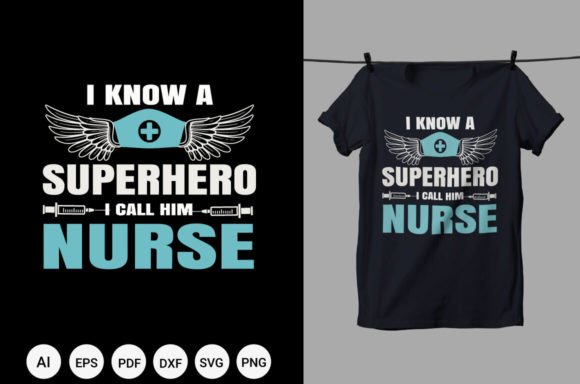
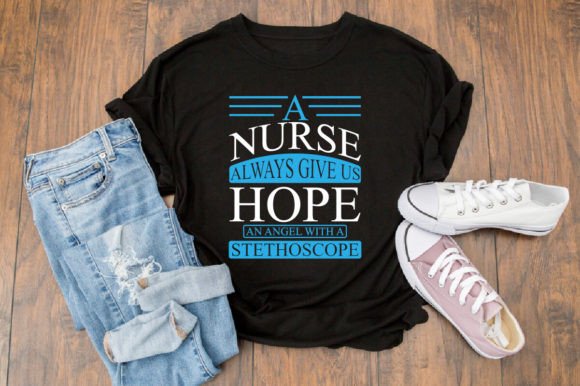
The core of this design relies on typography paired with symbolic imagery, specifically the stethoscope. In the context of T-Shirt Designs and Graphics, this combination is popular because it communicates instantly. However, in embroidery, text is notoriously difficult. My first step in evaluating any new file is to look at the letter spacing and the complexity of the accompanying icons. Does the stethoscope look like a recognizable medical tool, or does it dissolve into a blob of thread?
The mood here is gentle yet professional. It avoids the overly clinical feel of some medical designs by using the "angel" metaphor, which softens the aesthetic. For a handmade product, this emotional resonance is crucial. Customers are not just buying a shirt; they are buying a token of gratitude. If the design looks cheap or messy, that sentiment is lost. The layout suggests a centered placement, which works well for standard hoop sizes, but the density of the text requires careful attention during the stitching process.
Real-World Application: The Custom Sweatshirt Test
To truly understand the viability of A Nurse Always Give Us Hope an Angel, I imagined a specific scenario: a custom order for a nursing graduate’s family member. They wanted a high-quality sweatshirt that could be worn to ceremonies and casual outings. This is where the rubber meets the road. Unlike a printed t-shirt, where ink sits on top of the fabric, embroidery punches through it.
If I were stitching this onto a mid-weight cotton blend sweatshirt, the texture of the fabric would interact with the stitch types. A satin stitch might be used for the smaller elements of the stethoscope, while the larger text might require a fill stitch or a running stitch outline depending on the digitizer’s choice. The key concern here is readability. If the letters are too small or the kerning is too tight, the threads will merge, making the message illegible. In my mental mockup, I found that this design shines best when scaled appropriately for a chest pocket area or a larger back placement, rather than cramped into a tiny corner.
Navigating Fabric and Hoop Constraints
One of the most critical aspects of using any machine embroidery design is understanding its limitations regarding fabric and hoop size. This design includes fine details, particularly in the stethoscope tubing and the thinner strokes of the typography. Here is where practical judgment comes into play:
- Small Hoop Sizes: If you are working with a 4x4 inch hoop, you must ensure the design fits without scaling it down so much that the text becomes unreadable. Check the dimensions before loading the file.
- Textured Fabrics: On towels or thick fleece, small details can get lost. A stabilizer is non-negotiable here to prevent puckering and to keep the stitches defined against the pile of the fabric.
- Stretchy Materials: For baby clothes or active wear, the stretch of the fabric can distort the text. Using a cut-away stabilizer and testing on scrap fabric first is essential to maintain the integrity of the lettering.
- Dark Fabrics: If stitching on navy or black scrubs, thread color contrast is vital. Light threads on dark fabric require precise tension settings to avoid showing the backing material.
For items like caps or curved surfaces, this design might be challenging due to the horizontal nature of the text. Curved hoops can distort straight lines, so I would recommend this more for flat surfaces like tote bags, aprons, or pillow covers where the geometry remains stable.
Commercial Viability and Brand Consistency
For Etsy sellers and small shop owners, the visual appeal of a finished product directly impacts buyer engagement. A clean, well-stitched design builds trust. When a customer sees A Nurse Always Give Us Hope an Angel embroidered neatly on a tote bag or a mug wrap (if using sublimation compatible methods), it signals professionalism. Sloppy stitching, on the other hand, suggests a lack of care.
This design fits well into several commercial categories:
- Personalized Gifts: Ideal for Nurse’s Week, graduation gifts, or retirement presents. The emotional weight of the phrase adds value beyond the material cost.
- Boutique Merchandise: Can be used on aprons for clinic staff or scrub caps, adding a touch of personality to uniform requirements.
- Holiday Embroidery: During flu season or health-awareness months, this design serves as a supportive statement piece.
However, as a craft business owner, you must verify the license terms. Since this is described as a printable t-shirt typography design file, ensure that the digital embroidery file version you acquire allows for commercial use of finished physical items. Never assume; always check the creator’s terms to protect your small business.
Practical Designer Notes for Best Results
Before committing to a final production run, take these steps to ensure quality:
First, always test the design on scrap fabric that matches your final project material. This allows you to check stitch density and tension without risking expensive garments. Second, review the thread colors. While the design may come with suggested colors, experimenting with metallic threads for the stethoscope or contrasting shades for the text can elevate the look. Third, inspect the small details. Zoom in on your machine’s preview screen. Are there excessive jump stitches? Is the underlay sufficient to support the top stitches?
Finally, consider the end user. Will this item be washed frequently? If so, ensure the stabilizer is trimmed properly and the stitches are secure. A well-executed embroidered patch or direct stitch job should withstand regular laundering without fraying or losing shape.
In conclusion, A Nurse Always Give Us Hope an Angel is a design with strong emotional potential. Its success lies not just in the graphic itself, but in how thoughtfully it is applied. By respecting the constraints of embroidery machinery, choosing the right fabrics, and paying attention to detail, you can transform this digital asset into a meaningful, high-quality handmade product that resonates with customers and honors the nursing profession.