Medical Cartoon: A Designer’s Stitching Review
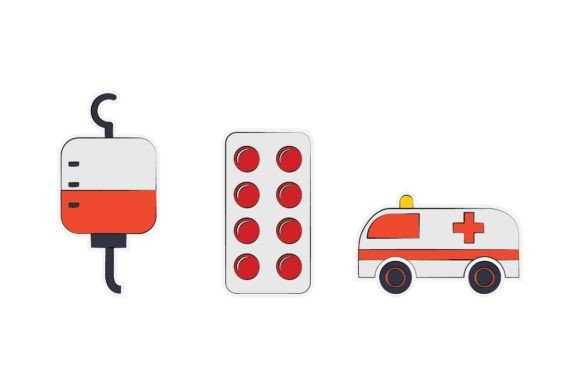
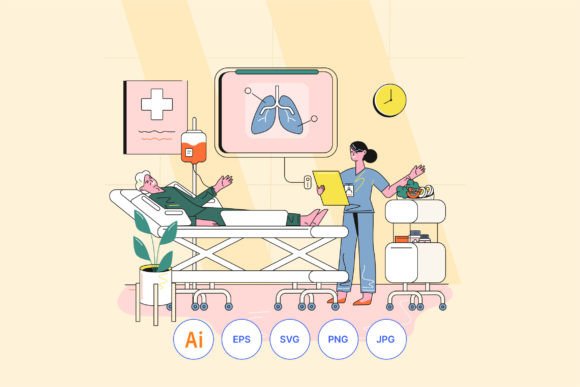
When I first pulled up the Medical Cartoon design on my screen, I wasn’t looking for generic clip art. As an embroidery designer who spends half my life tweaking stitch paths and the other half worrying about client satisfaction, I need assets that translate well from digital pixels to physical thread. This watercolor-inspired illustration caught my eye not because it was loud, but because it felt approachable. In the world of healthcare-themed crafts, we often swing between sterile clinical imagery and overly cute caricatures. This design sits comfortably in the middle, offering a vibrant and creative representation of healthcare themes that feels warm rather than cold.
First Impressions and Visual Personality
The mood this piece creates is instantly calming. The watercolor aesthetic suggests softness, which is crucial when you are creating items for hospitals, clinics, or even just for someone recovering at home. For an embroidery project, visual personality is everything. If the lines are too harsh, the final product can look aggressive on soft fabrics. Here, the layout allows for a natural flow. The detail level is moderate, which is a blessing for machine embroidery. Overly complex illustrations often turn into muddy blobs of thread once stitched out, but this graphic maintains its clarity.
I immediately thought about where this fits in the broader category of Illustrations and Graphics. It is versatile enough to be a standalone focal point or part of a larger composition. For small business owners and Etsy sellers, having a design that doesn’t require heavy modification before use saves hours of digitizing time. It looks like it belongs on a tote bag or a cozy sweatshirt, bridging the gap between professional medical appreciation and personal comfort.
Real-World Application: The Custom Tote Test
To truly evaluate a design, you have to imagine it in production. I recently worked on a custom order for a nursing graduation gift. The client wanted something that didn’t look like a standard uniform patch. I visualized Medical Cartoon stitched onto a canvas tote bag. The sturdy texture of canvas holds stitches well, providing a stable base for the fill stitches likely required for the watercolor effects.
In this scenario, the design would serve as the centerpiece. Because the illustration is vibrant, I would pair it with high-quality rayon or polyester threads to mimic the sheen of watercolor paint. On a tote bag, the design needs to be large enough to be seen but not so dense that it stiffens the fabric excessively. This specific graphic seems balanced for a medium hoop size, allowing for sufficient breathing room around the edges. It transforms a simple utility item into a cherished keepsake, boosting the perceived value of the handmade product.
Apparel and Wearable Items
Beyond bags, consider custom apparel. A left-chest placement on a scrub top or a polo shirt requires precision. The design must remain legible at a smaller scale. While the watercolor style is beautiful, we must be cautious with tiny details. If the original file has very fine gradients, they might need simplification in the digitizing process to prevent thread breaks or excessive trimming. For a sweatshirt, however, you have more room to play. The plush texture of fleece complements the soft visual theme of the artwork. It becomes a statement piece for healthcare workers who want to express pride in their profession without wearing a literal stethoscope graphic.
Technical Considerations for Embroiderers
Before you load this into your machine, there are practical factors to address. Since this is a watercolor-style image, it likely relies on varied thread colors to achieve its depth. Check the color chart carefully. You may need to swap out standard thread shades for variegated threads to get that authentic painted look. Also, pay attention to stitch density. Watercolor effects can sometimes translate to heavy fill stitches. If the density is too high, it will pucker lightweight fabrics like cotton tees or baby clothes.
- Fabric Choice: Best suited for medium to heavy-weight fabrics like canvas, denim, twill, or fleece. Use caution on thin or stretchy materials.
- Stabilizer: A cut-away stabilizer is recommended for garments that will be washed frequently, ensuring the design remains stable over time.
- Hoop Size: Verify the dimensions of the digital embroidery file. Ensure it fits your hoop while leaving enough margin for the frame to grip the fabric securely.
If you are planning to use this on dark fabric, remember that watercolor designs often rely on white or light spaces for contrast. You might need to add a satin stitch border or a backing patch to make the colors pop against black or navy blue scrubs.
Navigating Tricky Surfaces
Not every surface is friendly to detailed graphics. Curved surfaces like caps present a challenge. The Medical Cartoon design should be tested on a curved cap before committing to a full production run. Distortion can occur if the design is too wide or if the fabric stretches unevenly during stitching. Similarly, avoid placing this on areas of high friction, such as the cuffs of sleeves, unless you reinforce the backing significantly.
For baby embroidery, softness is paramount. If the design feels scratchy due to dense stitching or stiff stabilizer, it won’t be suitable for onesies. Always test the hand feel of the finished product. If the back of the stitching is rough, consider using a soft tear-away stabilizer and covering the back with a fusible interfacing for comfort.
Commercial Value and Brand Consistency
For craft business owners, consistency is key. Using high-quality design assets like this helps build a recognizable brand aesthetic. When customers see a cohesive look across your Etsy listings or craft fair products, they trust your professionalism. This illustration supports that by offering a polished, artistic vibe that stands out from free, low-resolution clip art found online.
It enhances customer trust because it looks intentional. Whether used for holiday embroidery gifts for hospital staff or as part of boutique branding for a medical spa, the design elevates the perceived quality of the item. It moves the product from "homemade" to "handcrafted professional."
Final Designer Notes
Before selling any finished product or digital embroidery file derived from this work, always confirm the licensing terms. Just because a graphic is available does not mean it is cleared for commercial embroidery use. Check if the license covers physical goods, digital resale, or both.
- Test the design on scrap fabric identical to your final material.
- Run a black-and-white mockup to check for contrast issues.
- Inspect small details after the test stitch; simplify if necessary.
- Ensure your machine can handle the file format provided.
In conclusion, Medical Cartoon is a strong contender for designers looking to add warmth to healthcare-themed projects. It respects the medium of embroidery by balancing artistic flair with technical feasibility. With proper preparation and attention to fabric choice, it can become a staple in your library of reliable, sellable designs.