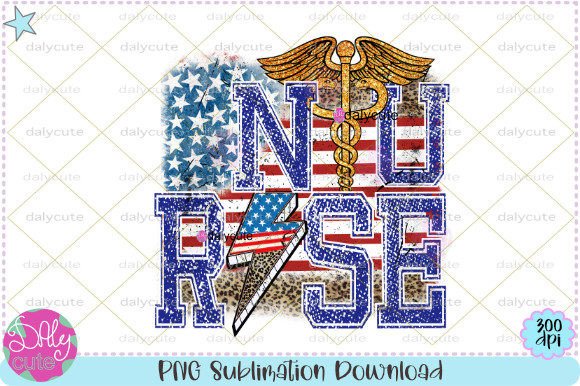
Nurse Leopard Bleach Sublimation: A Designer’s Review
As an embroidery designer who has spent years translating digital concepts into thread, I approach every new machine embroidery design with a critical eye. It is not just about whether the image looks cute on a screen; it is about how that visual translates to fabric, hoop tension, and stitch density. Recently, I evaluated the Nurse Leopard Bleach Sublimation graphic to determine its viability for real-world craft projects. This review breaks down what you can expect when moving this specific aesthetic from a digital file to a tangible, stitched product.
First Impressions and Visual Personality
The immediate mood of the Nurse Leopard Bleach Sublimation design is bold yet playful. It merges the professional identity of nursing with the wild, trendy appeal of leopard print, all filtered through a distressed, bleach-dye aesthetic. For those of us in the T-Shirt Designs space, this combination is currently high-demand. The layout feels organic rather than rigid, which is crucial for embroidery. Rigid, boxy graphics often look stiff when stitched out, but the fluid nature of this pattern suggests it will lay well on curved surfaces like sleeves or the chest area of a garment.
However, we must address the file format immediately. The product description specifies that you receive one PNG file at 300 dpi, sized 3600 x 3600 pixels. It explicitly states these are NOT SVG files. For an embroiderer, this is a pivotal distinction. You are not receiving a pre-digitized embroidery file with assigned stitch types like satin stitch or fill stitch. Instead, you are getting a high-resolution raster image. This means you will need to use digitizing software to convert this graphic into a stitch file compatible with your machine. If you are not a digitizer, you will need to hire one or use auto-digitizing features with caution.
Real-World Application: The Custom Tote Scenario
To test the practical value of this asset, I imagined a scenario involving a custom order for a local nursing school graduation gift. The client wanted a durable, stylish tote bag design that stood out from generic text-only bags. Using the Nurse Leopard Bleach Sublimation as the base, I visualized how this would work as an applique design.
Because the source file is a PNG, the best approach for a crisp finish on a tote bag is to print the design onto heat-transfer vinyl or use it as a template for fabric applique. By cutting leopard-print fabric to match the shape of the nurse silhouette and stitching it down with a tight satin stitch border, you bypass the issue of trying to fill large areas with thread, which can cause puckering on canvas bags. This method preserves the "bleach" look by using actual textured fabrics rather than relying solely on thread colors to mimic the effect.
Performance on Apparel and Textiles
When considering custom apparel, such as sweatshirt embroidery or scrub tops, the detail level of the 3600 x 3600 pixel image is sufficient for scaling. However, the complexity of the leopard spots within the nurse shape requires careful attention to stitch density. If you choose to fill-stitch the entire design without applique, you risk creating a heavy, stiff patch on lightweight fabrics. For a baby embroidery project, such as a onesie, this density would be uncomfortable. In that case, I would recommend scaling the design down significantly and using a simple running stitch outline with minimal fill, or opting for a different, simpler design entirely.
For holiday embroidery gifts or boutique products, this design shines on darker fabrics. The bleach effect implies light tones against a dark background. Stitching this onto navy blue or black scrubs allows white and cream threads to pop, creating high contrast. On light fabrics, you may struggle to achieve the same visual impact unless you use a backing stabilizer that prevents show-through, or again, utilize applique techniques with contrasting fabrics.
Technical Considerations for Embroiderers
Before launching this into your craft business lineup, there are several technical hurdles to clear. Since this is a graphic asset and not a ready-to-stitch file, your digitizing skills will dictate the quality of the finished product.
- Check Thread Color Contrast: The bleach effect relies on subtle gradients. In embroidery, we do not have gradients unless we use complex blending techniques. You must simplify the color palette to 3-5 solid thread colors to maintain clarity.
- Test on Scrap Fabric: Always run a test stitch-out. Check if the small details of the leopard spots merge together. If they do, increase the spacing between stitches or enlarge the design.
- Stabilizer Selection: For stretchy fabrics like jersey knits used in t-shirts, a cut-away stabilizer is essential to prevent the design from distorting after washing. For woven fabrics like aprons or pillow covers, a tear-away may suffice.
- Hoop Size Constraints: Ensure your design fits within your machine’s maximum hoop size. While the digital file is large, the physical stitch-out must fit your equipment.
Commercial Viability and Brand Consistency
For Etsy sellers and small shop owners, this design offers a niche appeal. It targets a specific demographic: nurses who love animal prints and trendy aesthetics. Using this as a printable mockup for digital listings can help gauge interest before you commit to stitching samples. However, remember that licensing terms are critical. The description mentions it is a digital file, but you must confirm if the license allows for commercial use of the digitized version you create. Typically, buying a graphic allows you to create physical goods, but reselling the digitized embroidery file itself is often prohibited. Always read the specific license included in the zip file.
The visual appeal of Nurse Leopard Bleach Sublimation contributes to perceived value. A well-executed embroidered version looks premium compared to a printed vinyl decal. It suggests effort, skill, and customization, which builds customer trust. When used in commercial embroidery projects for clinics or hospitals, ensure the design aligns with their branding guidelines, as the distressed look may be too casual for some formal medical environments.
Final Verdict for Makers
The Nurse Leopard Bleach Sublimation is a strong visual asset for designers who understand the bridge between graphic art and textile craft. It is not a plug-and-play solution for beginners expecting an instant stitch file. Instead, it is a high-quality raw material for experienced makers who want to create unique handmade products. Whether you are making an embroidered patch for a jacket, a personalized gift for a nurse friend, or inventory for your online store, this design provides a modern, edgy foundation. Just remember to respect the technical limits of your machine, choose your fabrics wisely, and always prioritize stitch clarity over complex detail. With the right digitizing approach, this graphic can become a standout piece in your portfolio of design assets.