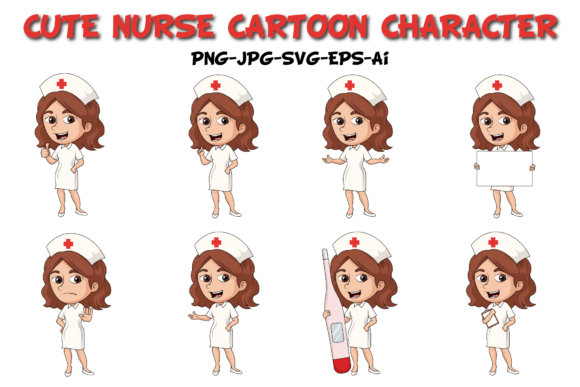
Reviewing Cute Nurse Cartoon Clipart for Embroidery
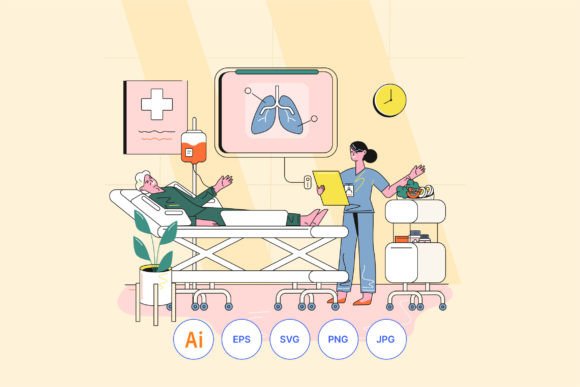
As a designer who spends half my life staring at digitized paths and the other half pulling threads out of bunched-up fabric, I have learned to be skeptical of generic clipart. We see thousands of Illustrations floating around the internet, but very few translate well into the tactile world of thread and needle. When I first opened the files for Cute Nurse Cartoon Character Clipart, my initial reaction was cautious optimism. The character design is undeniably charming, with soft curves and a friendly demeanor that immediately suggests warmth and care. But charm does not always equal stitchability.
I decided to put this asset through its paces, not just as a digital graphic for a mockup, but as a potential centerpiece for a real-world embroidery project. My goal was to determine if this design could hold up under the tension of a machine, maintain its clarity on various textiles, and ultimately deliver value to a customer looking for a personalized gift or a piece of custom apparel.
First Impressions and Design Personality
The visual personality of Cute Nurse Cartoon Character Clipart is its strongest asset. It avoids the sterile, clinical look often associated with medical themes, opting instead for a approachable, cartoonish aesthetic. For embroidery designers, this is a double-edged sword. The simplicity is good for reducing stitch count, but the lack of heavy outlines means we must rely on color contrast and smart digitizing to define the shape. The mood is lighthearted, making it an ideal candidate for projects intended to bring comfort or joy, such as baby embroidery items, nurse appreciation gifts, or playful tote bag design concepts.
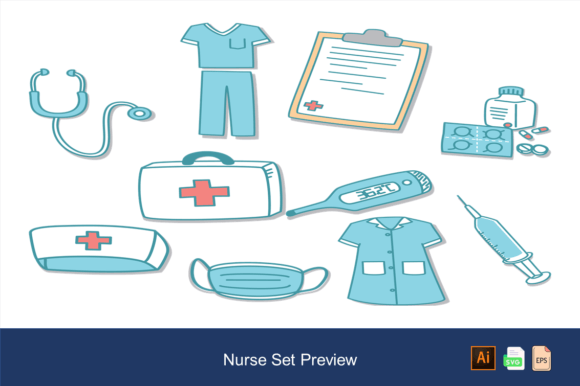
When evaluating the provided Graphics, I noted the clean lines in the vector formats. Having access to editable EPS and AI files is crucial. It allows us to simplify complex gradients into solid blocks of color, which is essential for creating a clean machine embroidery design. If you are working with the PNG or JPG versions, you are limited in how much you can adjust the underlying structure before digitizing, so I strongly recommend starting with the vector sources if you plan to create your own embroidery file from scratch.
Real-World Application: The Tote Bag Test
To test the practical viability, I envisioned a specific scenario: a custom embroidered patch or direct-to-garment stitch on a canvas tote bag for a nursing student graduation gift. This is a common request for Etsy sellers and craft business owners. The design needed to be legible from a distance yet detailed enough to feel premium.
In this context, Cute Nurse Cartoon Character Clipart performed well when simplified. By converting the subtle shading into distinct thread colors, the character popped against the natural beige of the canvas. The rounded shapes lent themselves beautifully to fill stitch patterns, avoiding the jagged edges that often plague detailed cartoons. However, I noticed that the smaller details, such as the facial features or medical insignia, required careful attention. If left too small, they risked becoming a muddy mess of thread. I had to slightly exaggerate these features in the digitizing phase to ensure they remained clear after stitching.
Fabric Considerations and Stitching Challenges
Not all fabrics treat Illustrations kindly. While the design worked wonderfully on stable cotton canvas, I would advise caution when using it on stretchy or textured materials. On a fuzzy fleece sweatshirt embroidery project, the fine lines of the nurse’s uniform might get lost in the pile. In such cases, using an applique design technique—where the character is cut from fabric and stitched down—might be a smarter choice than relying solely on satin or fill stitches. This approach also reduces stitch density, preventing the garment from becoming stiff and uncomfortable.
For caps or curved surfaces, the width of the design becomes critical. If the character is too wide, it will distort over the curve of the crown. I recommend checking the dimensions of your hoop size carefully. A 4x4 inch hoop might be tight for the full character, requiring you to scale it down, which could compromise the clarity of the smaller elements. Always test on scrap fabric first. This is non-negotiable. What looks perfect on screen can behave unpredictably once the needle hits the fabric.
Commercial Viability and Brand Consistency
For small shop product creators, the versatility of Cute Nurse Cartoon Character Clipart is a significant selling point. It fits seamlessly into niches like healthcare appreciation, pediatric care, or even humorous medical-themed holiday embroidery. The friendly aesthetic builds trust and approachability, which are key drivers for buyer engagement in the handmade market. When customers see a well-executed, cute design on a finished product, they perceive higher value.
However, professionalism is paramount. A poorly digitized version of this clipart can look amateurish. Ensure that your running stitch connections are hidden, your trims are clean, and your stabilizer choice matches the fabric weight. For dark fabrics, consider using a white underlay or switching to an applique method to maintain brightness without excessive stitch buildup. Remember, the goal is to create a handmade product that looks intentional and high-quality, not just a printed image transferred to cloth.
Practical Notes for Designers
Before you commit to production, keep these technical checks in mind:
- Check Licensing: Confirm whether the license allows for commercial use of finished physical items. The product description mentions various file types, but always verify the terms for selling embroidered goods.
- Contrast is Key: Test the design in black and white mockups. If the details disappear in grayscale, they will likely disappear in thread. Adjust your color palette to ensure sufficient contrast between the nurse’s uniform, skin tone, and background.
- Density Management: High stitch density can cause puckering. Use lighter fill patterns for larger areas and reserve dense satin stitches for borders or small accents.
- File Format Usage: Use the SVG or AI files to prepare your digitizing. The PNG files are great for printable mockup previews on your Etsy listings, but they are not suitable for creating the actual stitch path.
- Wash Testing: If this is for a baby item or frequently washed apparel, ensure your threads are colorfast and your stabilizer is tear-away or cut-away depending on the desired durability.
In conclusion, Cute Nurse Cartoon Character Clipart is a promising asset for the right project. It requires a thoughtful approach to digitizing and material selection, but with proper execution, it can elevate a simple tote bag design or custom apparel piece into a cherished keepsake. It is not just a graphic; it is a foundation for a tangible, emotional connection with the end user. Treat it with the respect it deserves, and it will serve your craft business well.