Stethoscope Sign Medical: A Designer’s Review
As an embroidery designer who has spent countless hours digitizing logos and testing stitch-outs on everything from thick terry cloth to delicate baby knits, I approach every new Graphics asset with a critical eye. We often see beautiful vector art that looks stunning on a screen but fails miserably under the needle. Today, I am evaluating Stethoscope Sign Medical, not just as a digital image, but as a potential cornerstone for real-world embroidery projects.
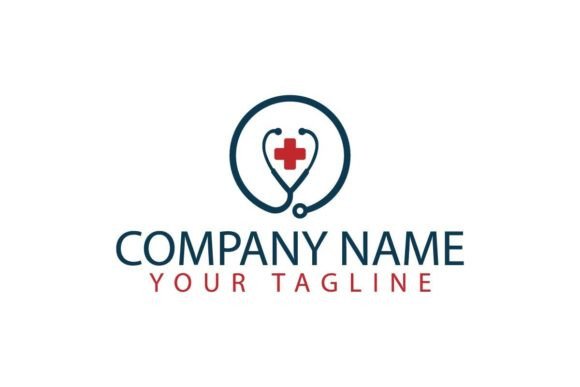
When I first opened the file, my immediate impression was one of clean professionalism. The design features a stethoscope sign medical professional vector logo aesthetic that is instantly recognizable. For those of us in the craft business, recognition is half the battle. If a customer cannot identify the symbol within two seconds, the design has failed its primary purpose. This particular layout balances the iconic curves of the stethoscope tubing with a structured, authoritative presence. It does not feel cluttered, which is a relief. Clutter is the enemy of good embroidery.
Real-World Application: The Clinic Tote Scenario
To truly understand the value of this design, I imagined a specific client project. A local nurse practitioner wanted custom tote bags for her team during Nurses Week. She needed something that looked polished enough for clinical settings but personal enough to feel like a gift. I pulled up Stethoscope Sign Medical to visualize it on a heavy canvas tote bag design.
The visual personality of this graphic fits perfectly here. It is not overly cute or childish, which makes it versatile. It works equally well for a serious medical professional as it does for a nursing student. In this scenario, the design would likely be stitched using a combination of satin stitch for the outline and fill stitch for any solid areas, depending on how the vector paths are interpreted by your digitizing software. The mood it creates is one of trust and competence. When a patient sees a bag or apron with this emblem, they subconsciously register expertise.
Performance Across Different Embroidery Projects
Beyond tote bags, I evaluated how this Logos style graphic performs across various substrates. For custom apparel, such as a navy blue scrub top or a white lab coat, the contrast potential is high. You can use bright white or silver thread colors to make the stethoscope pop against dark fabric. Conversely, on a light-colored sweatshirt embroidery project, deep royal blue or forest green threads would provide excellent definition.
For those running an Etsy seller shop or small shop product line, this design offers significant flexibility. It can be scaled down for a subtle chest placement on a polo shirt or enlarged for a bold back print on a hoodie. However, scale is where many designers stumble. Because this is a vector-based concept, it scales infinitely without losing quality in its digital form. But in embroidery, physics applies. If you shrink this design too much for a baby embroidery project, such as a onesie or a small bib, the fine details of the stethoscope earpieces may merge. Always check the minimum viable size for your specific machine and thread weight.
I also considered its use in home decor, such as a pillow cover for a medical-themed nursery or a kitchen towel for a doctor’s break room. In these cases, the texture of the fabric matters immensely. A textured waffle weave towel might obscure finer lines, so you would need to adjust your stitch density to ensure clarity. A smooth cotton pillowcase, however, would render the design sharply.
Technical Considerations and Stitching Challenges
While the aesthetic is strong, we must discuss the technical execution. Since Stethoscope Sign Medical is provided as a High Resolution Vector File in Ai, EPS, and SVG formats, it is crucial to remember that these are not native embroidery files. You will need to digitize them or convert them using specialized software. This step is critical for controlling stitch direction and density.
One area to watch carefully is the curvature of the stethoscope tubing. Curved lines are prone to puckering if the stabilizer is not adequate. I recommend using a cut-away stabilizer for stretchy fabrics like jersey knits used in t-shirts, and a tear-away for stable woven fabrics like canvas or denim. Without proper stabilization, the tension from the satin stitch can pull the fabric, distorting the circular elements of the design.
Another challenge is the potential for dense stitch areas. If the vector logo has thick solid sections, your digitizing software might create a block of fill stitch that is too dense for lightweight fabric. This can cause the garment to pucker or feel stiff. Always test the design on scrap fabric first. Check thread color contrast by stitching a sample in black and white mockups before committing to expensive colored threads. This helps you see if the design holds its shape without relying on color differentiation.
Commercial Viability and Brand Consistency
For creative entrepreneurs and handmade product sellers, the commercial viability of a design is paramount. Does it look expensive? Does it convey quality? Stethoscope Sign Medical scores high on professionalism. It avoids the cartoonish tropes often found in lower-quality clip art. This enhances buyer engagement because the finished product looks like it came from a boutique rather than a discount bin.
However, before selling finished items or digital embroidery file derivatives, you must confirm licensing. Just because a file is high resolution does not mean it is cleared for commercial embroidery projects. Review the terms associated with the vector purchase. Some licenses allow for unlimited physical sales but restrict the resale of the digital design assets themselves. Always clarify this to protect your craft business.
Final Verdict for Designers
In conclusion, Stethoscope Sign Medical is a robust choice for designers looking to create meaningful, professional-grade embroidered goods. It bridges the gap between symbolic recognition and artistic simplicity. Whether you are creating a personalized gift for a graduating nurse, branding uniforms for a clinic, or adding a unique touch to holiday embroidery collections, this design holds up under scrutiny.
My advice is to treat the vector file as a blueprint, not a final stitch pattern. Take the time to digitize it properly, respecting the limitations of your hoop size and the nature of your fabric texture. Test your stitch density, choose your thread colors wisely, and always prioritize the durability of the finished product. When done right, this design will not just decorate an item; it will elevate the perceived value of your entire brand.